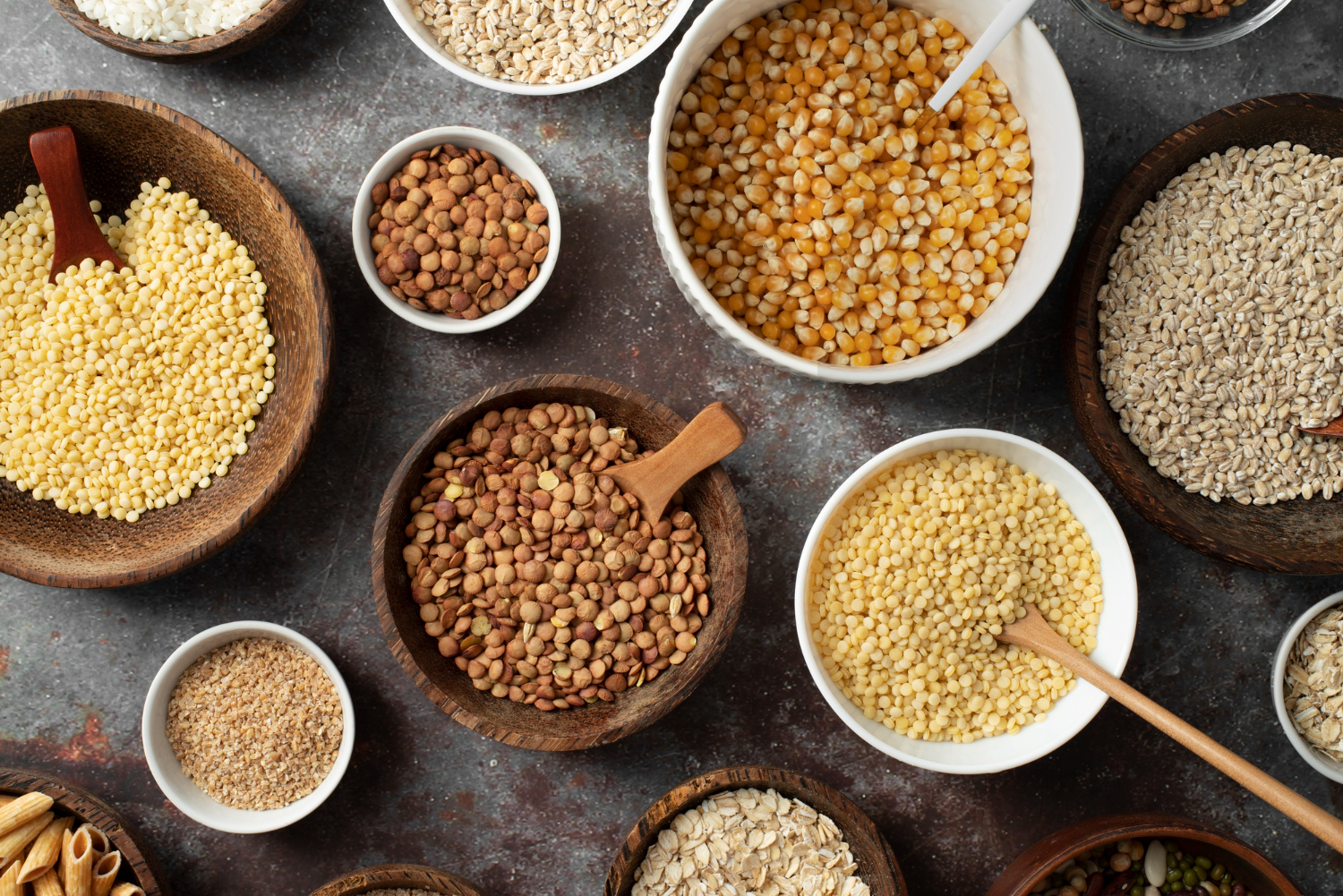
In recent years, the global market for niche agricultural crops — including peas, chickpeas and lentils — has shown steady growth. These crops play an important role in food security and are widely used in food processing, plant-based products and international trade.
Traditionally, China has been one of the largest import markets for pulses. However, recent developments in global trade may significantly reshape demand patterns and export flows.
Traditionally, China has been one of the largest import markets for pulses. However, recent developments in global trade may significantly reshape demand patterns and export flows.
A new factor: stronger economic ties between China and Africa
In early 2026, China announced a major trade initiative: starting May 1, 2026, the country will introduce zero tariffs on imports from 53 African nations. The move is aimed at expanding access for African goods to the Chinese market and strengthening economic cooperation between China and the African continent.
The new policy will cover 100% of tariff lines, including agricultural products. China is also expected to simplify customs procedures and introduce “green lanes” to accelerate the import of agricultural commodities.
In practice, this initiative could reshape the structure of global agricultural trade by strengthening supply chains between Africa and China.
The new policy will cover 100% of tariff lines, including agricultural products. China is also expected to simplify customs procedures and introduce “green lanes” to accelerate the import of agricultural commodities.
In practice, this initiative could reshape the structure of global agricultural trade by strengthening supply chains between Africa and China.
What this means for the pulses market
For traders and exporters of pulses such as peas, chickpeas and lentils, this development may lead to increased competition in the Chinese market.
Historically, China has relied on imports from established exporting regions. However, preferential access for African products may give African suppliers a price advantage due to the absence of import duties.
At the same time, several African countries are steadily expanding their production of pulses.
These crops are well suited to local conditions because they:
• tolerate dry climates relatively well
• require comparatively low production costs
• are widely consumed in domestic markets.
As a result, pulses are becoming an increasingly important part of agricultural development across many African economies.
Historically, China has relied on imports from established exporting regions. However, preferential access for African products may give African suppliers a price advantage due to the absence of import duties.
At the same time, several African countries are steadily expanding their production of pulses.
These crops are well suited to local conditions because they:
• tolerate dry climates relatively well
• require comparatively low production costs
• are widely consumed in domestic markets.
As a result, pulses are becoming an increasingly important part of agricultural development across many African economies.
Africa as a growing hub for pulses trade
Rapid population growth and changing dietary patterns are turning Africa into one of the most promising agricultural markets in the world.
Many countries on the continent act simultaneously as producers, consumers and importers of grain and pulses, creating opportunities for regional trade hubs and new supply chains.
Particularly notable developments are taking place in East Africa, where agriculture remains a key sector of economic growth.
Many countries on the continent act simultaneously as producers, consumers and importers of grain and pulses, creating opportunities for regional trade hubs and new supply chains.
Particularly notable developments are taking place in East Africa, where agriculture remains a key sector of economic growth.

Ethiopia: a key agricultural market in East Africa
One of the most significant agricultural markets in the region is Ethiopia.
The country has substantial agricultural potential and is already among Africa’s important producers of pulses. Lentils, chickpeas and other legumes play a major role in both the agricultural sector and the national diet.
At the same time, Ethiopia is gradually strengthening its position as a regional trade hub in East Africa, attracting international traders, processors and agricultural investors.
The country has substantial agricultural potential and is already among Africa’s important producers of pulses. Lentils, chickpeas and other legumes play a major role in both the agricultural sector and the national diet.
At the same time, Ethiopia is gradually strengthening its position as a regional trade hub in East Africa, attracting international traders, processors and agricultural investors.
New opportunities for international traders
China’s new zero-tariff policy for African imports may gradually reshape trade flows in the global pulses market.
For exporters focused on China, this creates an important strategic question: how will competition evolve if African producers gain preferential access to the Chinese market?
At the same time, Africa itself is becoming an increasingly important destination for agricultural trade. Rapid population growth, urbanisation and changing diets are driving steady demand for staple foods, including grains and pulses.
For traders, this means that Africa should be considered not only as a supplier to global markets, but also as a growing consumption market with expanding trade potential.
For exporters focused on China, this creates an important strategic question: how will competition evolve if African producers gain preferential access to the Chinese market?
At the same time, Africa itself is becoming an increasingly important destination for agricultural trade. Rapid population growth, urbanisation and changing diets are driving steady demand for staple foods, including grains and pulses.
For traders, this means that Africa should be considered not only as a supplier to global markets, but also as a growing consumption market with expanding trade potential.
Market outlook
Several structural trends are likely to shape the pulses market in the coming years:
• increasing demand for plant-based protein globally
• expanding pulses production across several African countries
• stronger trade ties between China and African economies
• diversification of export markets beyond traditional destinations.
For international traders and exporters of peas, chickpeas and lentils, monitoring developments in African markets is becoming increasingly important.
These trends and market opportunities will be among the key topics discussed at Grain Trade Africa 2026, which will take place on June 24–25 in Addis Ababa and will bring together international traders, producers and analysts focused on African markets.
• increasing demand for plant-based protein globally
• expanding pulses production across several African countries
• stronger trade ties between China and African economies
• diversification of export markets beyond traditional destinations.
For international traders and exporters of peas, chickpeas and lentils, monitoring developments in African markets is becoming increasingly important.
These trends and market opportunities will be among the key topics discussed at Grain Trade Africa 2026, which will take place on June 24–25 in Addis Ababa and will bring together international traders, producers and analysts focused on African markets.