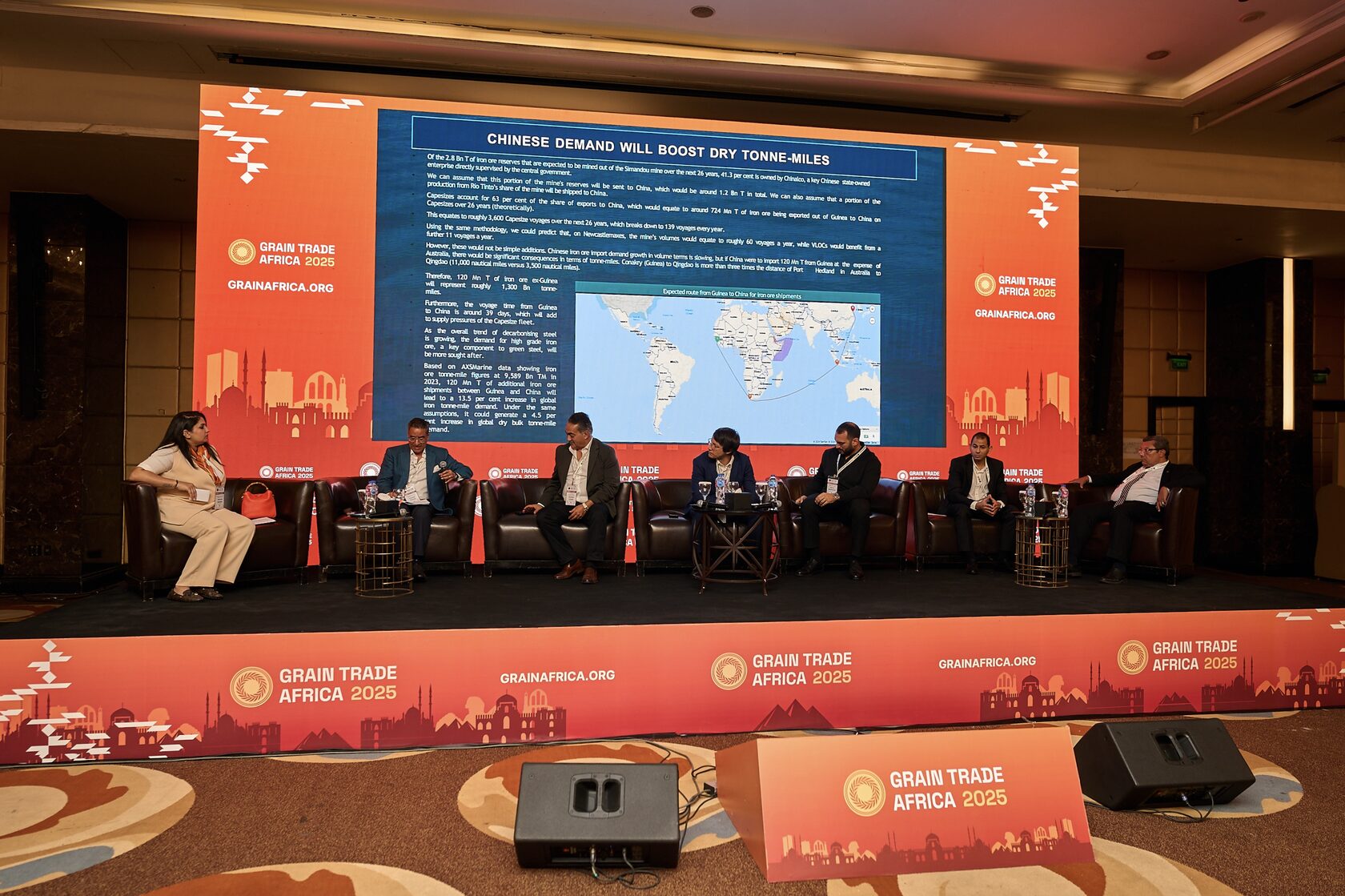
In April 2026, recent market activity shows that the African grain market remains one of the most dynamic global demand centers — with ongoing buying interest and active trade flows.
At the same time, the structure of deals is evolving, becoming faster, more fragmented and increasingly dependent on logistics and execution.
At the same time, the structure of deals is evolving, becoming faster, more fragmented and increasingly dependent on logistics and execution.
Procurement is becoming more dynamic
Major importers, including Egypt, continue active purchasing despite price volatility.
Recent tenders show volumes typically ranging from 300,000 to 600,000 tonnes per tender, with buying decisions made more frequently and flexibly.
The market is not waiting — decisions are being made continuously
Recent tenders show volumes typically ranging from 300,000 to 600,000 tonnes per tender, with buying decisions made more frequently and flexibly.
The market is not waiting — decisions are being made continuously
Demand remains strong — but more selective
Countries like Algeria maintain steady import activity, with recent tenders often reaching 500,000–700,000 tonnes, while applying stricter selection criteria.
This reflects a broader shift: demand is stable, but buyers are becoming more selective in how deals are awarded
This reflects a broader shift: demand is stable, but buyers are becoming more selective in how deals are awarded
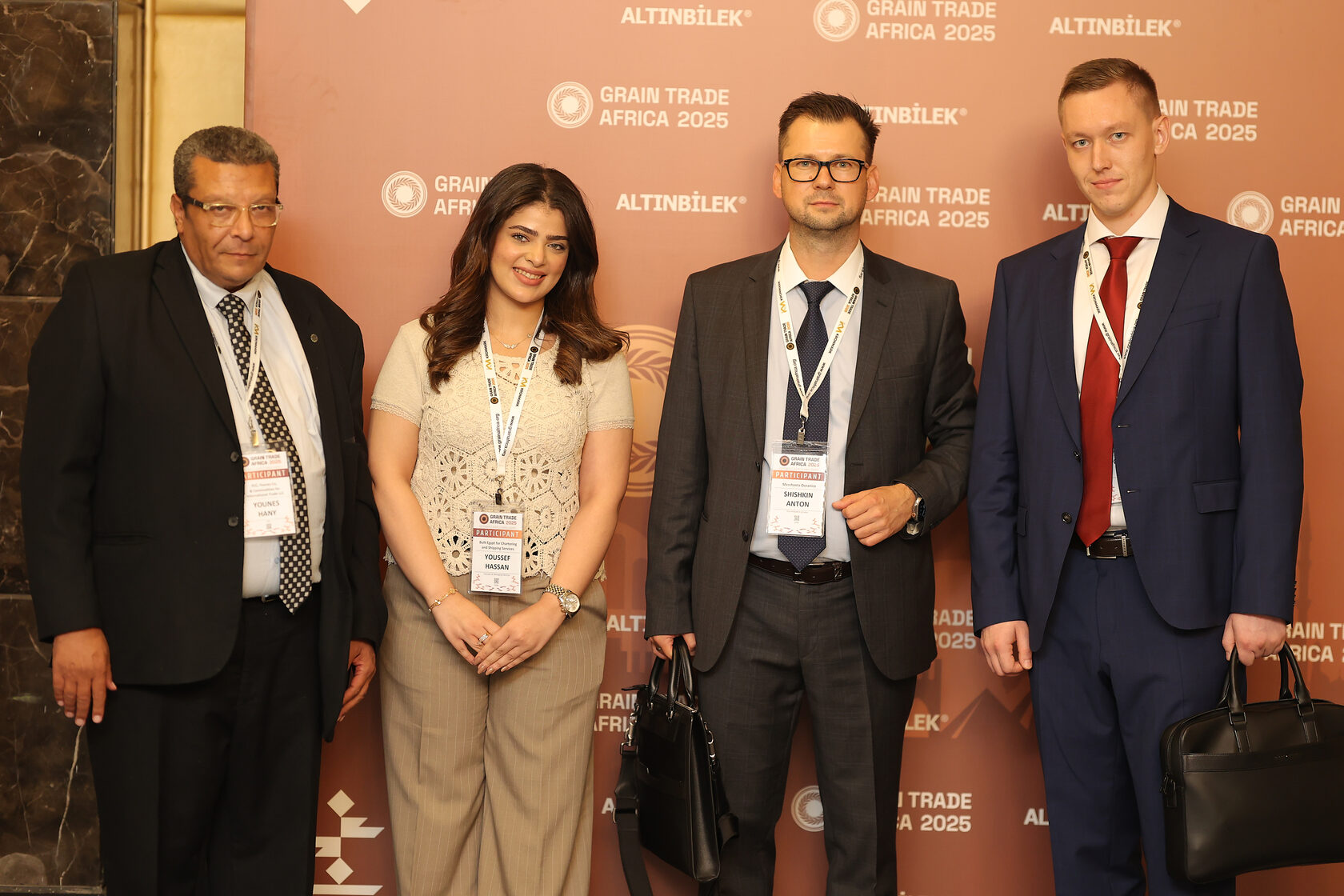
Logistics is reshaping trade flows
Ongoing disruptions in the Red Sea continue to impact routing decisions.
Rerouting via longer routes can increase transit times by 10–15 days, with additional variability depending on shipping conditions.
Trade is not slowing — it is adapting to new logistics realities
Rerouting via longer routes can increase transit times by 10–15 days, with additional variability depending on shipping conditions.
Trade is not slowing — it is adapting to new logistics realities
Execution is affected by infrastructure pressure
Across parts of East Africa, port congestion and operational delays can add 5–10+ days to delivery timelines.
This directly impacts trade execution and contract performance.
Speed and reliability are becoming critical in closing deals
This directly impacts trade execution and contract performance.
Speed and reliability are becoming critical in closing deals
Financing is shaping transactions
In markets such as Nigeria, demand remains structurally strong, but access to foreign exchange continues to influence deal execution.
As a result, transactions increasingly require more structured financing solutions.
Demand exists — but execution depends on financial conditions
As a result, transactions increasingly require more structured financing solutions.
Demand exists — but execution depends on financial conditions
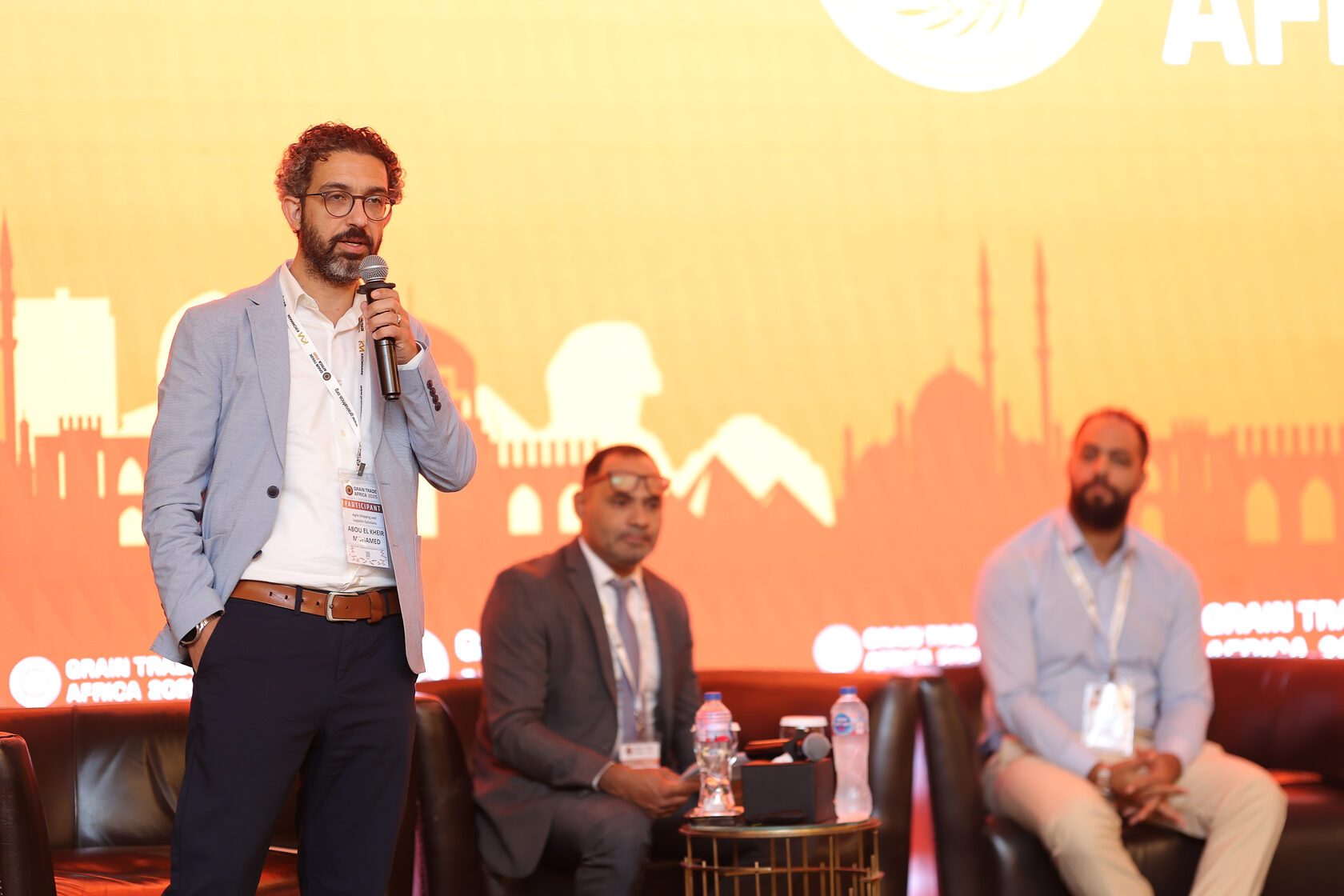
Freight volatility remains a key factor
Freight markets remain elevated and unstable, with rates in some cases staying 20–30% above typical levels.
This continues to affect pricing, margins and contract structures.
Logistics is now part of the deal — not just a cost
This continues to affect pricing, margins and contract structures.
Logistics is now part of the deal — not just a cost
A market in motion — where presence defines access
Africa remains one of the most active import regions globally.
But the way the market operates has shifted:
The market is not waiting — and access increasingly depends on being present
But the way the market operates has shifted:
- decisions are made faster
- logistics and execution define outcomes
- opportunities are captured by those engaged
The market is not waiting — and access increasingly depends on being present
Where Market Dialogue Takes Place
These developments are increasingly discussed within industry platforms that connect global suppliers with regional buyers.
One such platform is Grain Trade Africa 2026, which brings together exporters, importers, traders and logistics companies.
📅 June 24–25, 2026
📍 Addis Ababa, Ethiopia
One such platform is Grain Trade Africa 2026, which brings together exporters, importers, traders and logistics companies.
📅 June 24–25, 2026
📍 Addis Ababa, Ethiopia