Global grain markets are entering a decade of structural change. Climate pressure, geopolitical risks, supply chain disruptions, and water scarcity are no longer abstract risks — they are shaping national food strategies today.
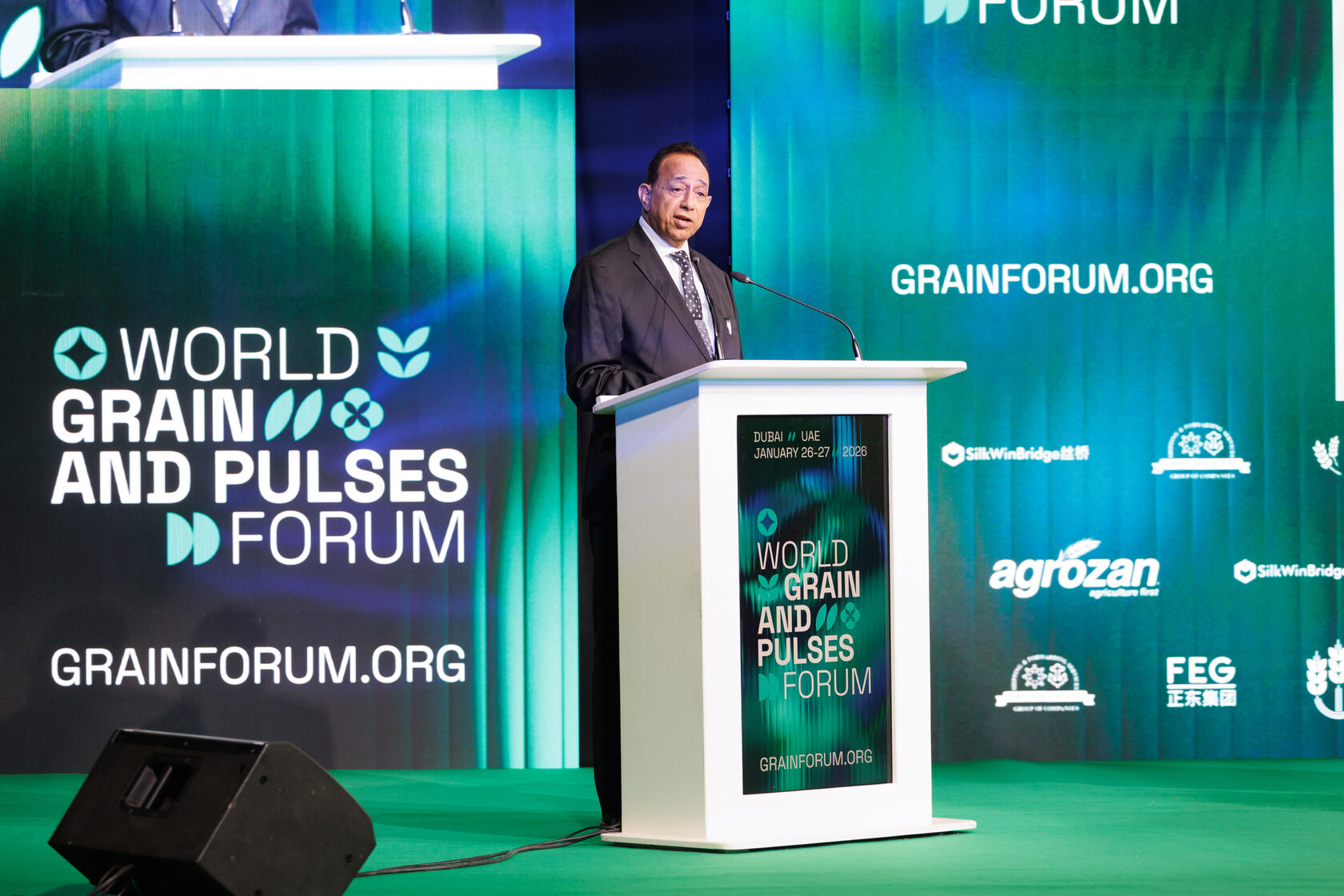
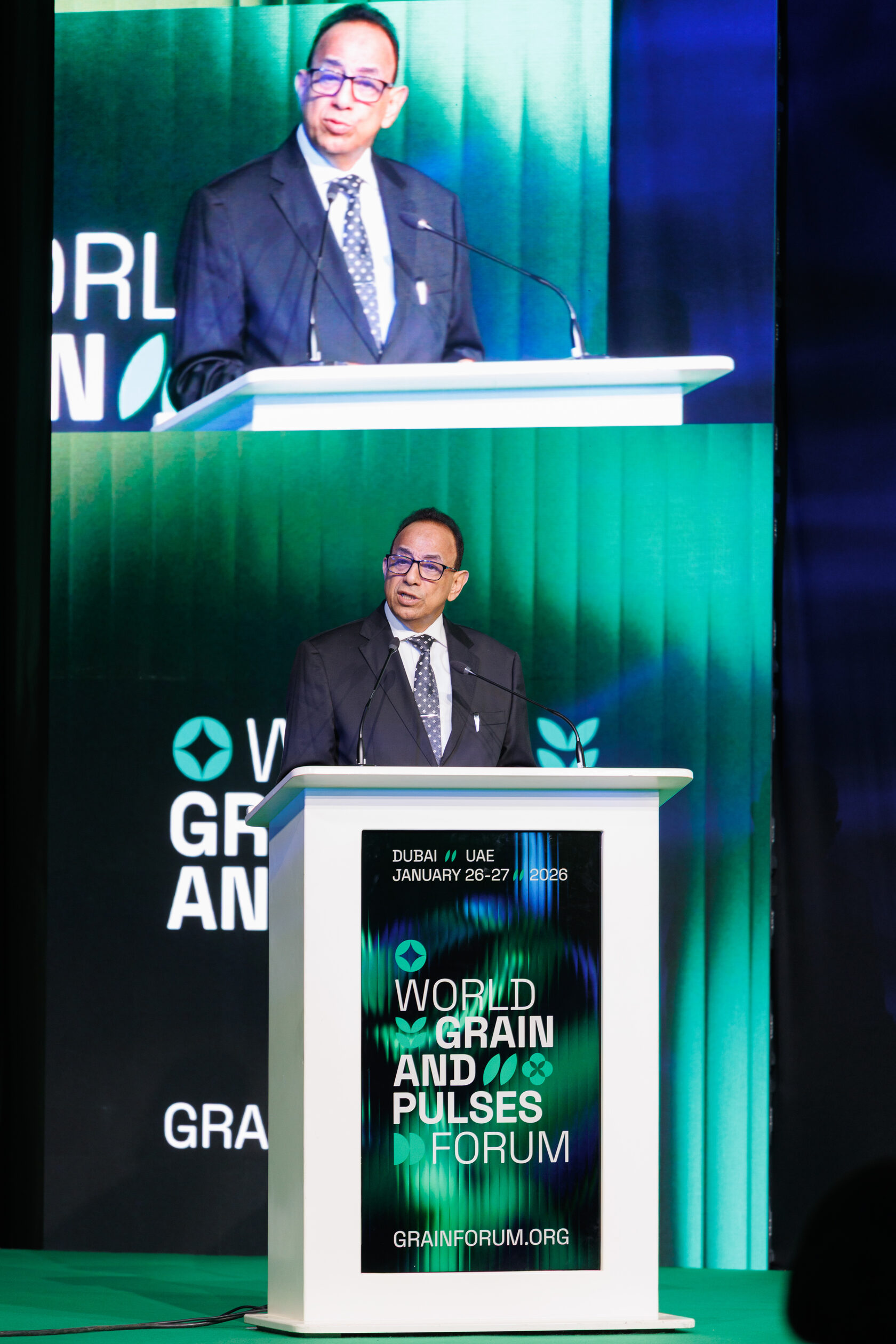
At World Grain & Pulses Forum 2026 in Dubai, one of the most revealing closed-door presentations was delivered by Prof. Bubaker M. Hamad, global food security expert and former Libyan minister. His presentation outlined Libya’s National Food Security Strategy 2025–2035, offering rare insight into how import-dependent countries are rethinking grain supply, storage, and pricing in an increasingly unstable world.
Below are the key market insights discussed behind closed doors — insights rarely shared outside high-level industry forums.
At World Grain & Pulses Forum 2026 in Dubai, one of the most revealing closed-door presentations was delivered by Prof. Bubaker M. Hamad, global food security expert and former Libyan minister. His presentation outlined Libya’s National Food Security Strategy 2025–2035, offering rare insight into how import-dependent countries are rethinking grain supply, storage, and pricing in an increasingly unstable world.
Below are the key market insights discussed behind closed doors — insights rarely shared outside high-level industry forums.
Import Dependency Is the New Systemic Risk
Libya imports around 90% of its grain needs, making it extremely vulnerable to global shocks.
According to Prof. Hamad, the key risk is not price volatility alone, but physical supply disruptions:
According to Prof. Hamad, the key risk is not price volatility alone, but physical supply disruptions:
- wars affecting shipping lanes,
- global logistics bottlenecks,
- export restrictions by producing countries.
Food Inflation Is Becoming a Political Issue
Libya’s food inflation stood at 3.1% in 2025, but the concern goes beyond headline numbers.
Food prices are now directly linked to:
Prof. Hamad emphasized that food affordability is no longer a market outcome — it is a policy objective.
Food prices are now directly linked to:
- social stability,
- government budgets,
- national security.
Prof. Hamad emphasized that food affordability is no longer a market outcome — it is a policy objective.
Climate and Water Are Redefining Grain Production
Two structural constraints dominate Libya’s outlook — and apply to many regions globally:
This makes traditional expansion of grain farming impossible without new technologies.
- Climate gap: rising temperatures and declining rainfall reduce wheat yields
- Water limitation: heavy reliance on underground aquifers that are rapidly depleting
This makes traditional expansion of grain farming impossible without new technologies.

Strategic Grain Reserves Are Back at the Center of Trade
One of the strongest messages of the presentation:
Strategic reserves are no longer optional.
Libya’s strategy prioritizes:
Strategic reserves are no longer optional.
Libya’s strategy prioritizes:
- modern wheat and oil storage facilities,
- protection against global supply chain breaks,
- buffer capacity to stabilize domestic markets during crises.
The “Four Pillars” Model That May Shape Future Markets
Libya’s food security strategy is built on four pillars that reflect a broader global trend:
- Supply — increasing local wheat and barley production
- Price — keeping food affordable for households
- Safety — improving food quality, testing, and nutrition
- Buffer — building large-scale reserves to absorb shocks
A Phased Roadmap Toward Import Reduction
Libya’s roadmap runs through 2035:
- 2025–2027: storage infrastructure & farmer support
- 2028–2031: large-scale agricultural projects in southern regions
- 2032–2035: reducing grain imports by 30–50%
Why These Insights Matter for the Global Grain Trade
What makes this presentation especially valuable is that it reflects how governments, not markets, are now shaping grain trade flows.
These discussions rarely appear in public reports — but they directly influence:
- tender structures,
- preferred supplier lists,
- logistics routes,
- long-term demand patterns.
This is exactly why industry leaders attend closed-door forums like World Grain & Pulses Forum — to understand where markets are heading before the signals become visible.
Next Forum — World Grain & Pulses Forum, 2027, Dubai
📍 UAE, Dubai | March 15-17, 2027
Join one of the largest international forums for the grain and pulses industry, bringing together over 1,100 participants from 55+ countries — key players in grain trade, logistics, and agribusiness.
Discover the latest trends shaping global grain markets, pulses trade, and container logistics — only at the World Grain & Pulses Forum 2027 in Dubai.
Discover the latest trends shaping global grain markets, pulses trade, and container logistics — only at the World Grain & Pulses Forum 2027 in Dubai.